
Beautiful Thinking.
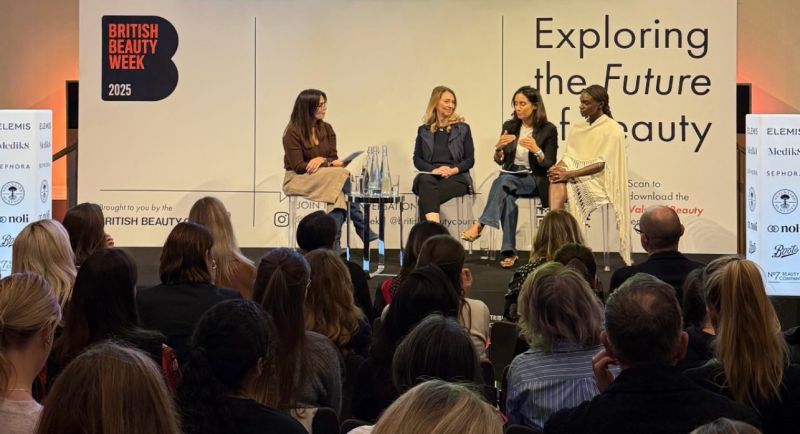
British Beauty Week has once again showcased the beauty industry’s ability to evolve, adapt, and lead in areas of responsibility, sustainability, and innovation.
Hosted by the British Beauty Council, this year’s series of discussions touched on key themes that are reshaping the industry, from inclusivity in talent pipelines to the integration of advanced technologies like AI and biotechnology. As brands navigate this new landscape, they are challenged not just to reflect the cultural and societal shifts, but to drive them forward.
One of the core takeaways from a day filled with inspiring conversations, was the significance of responsibility. No longer just a message – it has become an integral part of business strategy. This was highlighted most notably in the opening panel, where the focus was placed firmly on inclusion and how it should be embedded into every level of an organisation.
From recruiting and hiring to product design and customer service, the message was clear – diversity and inclusion are not a side project, but the foundation for growth. It’s about making practical moves to ensure that talent pipelines are fair, diverse, and accessible to all. This includes everything from using AI to reduce bias in hiring to creating sensory-friendly store environments for customers.
The leadership gap, where senior management teams often do not reflect the diversity of their consumer base, was also emphasised as a critical challenge. Representation at the decision-making level isn’t just a moral imperative – it’s a strategic necessity. Brands cannot expect to resonate with consumers or build trust if those at the top do not mirror the diverse world they serve.
This conversation touched on the importance of actively diversifying leadership teams and designing paid pathways for underrepresented talent to enter the beauty industry. By making diversity a core part of their infrastructure, brands can enhance their innovation, market growth, and long-term success.
At Free The Birds, this belief in systemic inclusion is something we’ve sought to champion through our partnership with 100 Allies – a mentoring and advocacy platform designed to foster equitable representation across the beauty industry. This vital organisation works to connect senior leaders with emerging talent from diverse backgrounds, ensuring that inclusivity isn’t treated as a seasonal topic, but as an ongoing commitment to progress. It’s through such initiatives that the industry can begin to bridge its leadership gap not just in numbers, but in mindset.
The discussions then turned towards how technology is reshaping the beauty landscape. Another fascinating panel revolved around the future of beauty in the digital space, where technology is radically shifting consumer behaviour.
The rise of AI in beauty, as discussed by experts like Amos Susskind of Noli, is transforming how consumers discover products and make purchasing decisions. AI is not just a novelty anymore but a driving force that offers personalisation at scale. The future of beauty will be defined by tailored experiences, and AI is poised to make beauty more inclusive by democratising access to expertise.
However, the use of AI in beauty is not without its challenges. While the potential for personalisation and customer engagement is immense, there are concerns about the ethical use of data and the risk of perpetuating biases in beauty standards. As highlighted by Mark Farbrace from Accenture, brands must focus on ethically designed AI that is inclusive and reflective of a diverse array of consumers. Transparency in AI recommendations will be key to earning consumer trust, and brands must ensure that their AI solutions are built on sound, diverse data sets.
Attention then shifted towards one of the most exciting frontiers in the industry – biotechnology. The panels also delved into bio-beauty and biotechnology, another exciting frontier that is redefining the beauty industry. Biotechnology in beauty isn’t just about using new ingredients – it’s about revolutionising sustainability.
Experts like Anabel Kindersley from Neal’s Yard Remedies and Amir Afshar of Shellworksshared how their brands have been pioneers in integrating biotech into product development, from using stem cells and peptides to create more effective skincare products to developing biodegradable packaging solutions – Shellworks’ sustainable innovation being one of my highlights from this year’s London Packaging Week.
These innovations are addressing one of the most pressing issues in beauty today, in the environmental impact of plastic waste. By using biotechnology to create sustainable materials, the beauty industry is showing how technology can be harnessed for the planet’s benefit.
The future of beauty is also looking more inclusive and accessible, thanks to biotechnology’s role in creating safer, ethical alternatives to traditional ingredients. For instance, Ruka Hair’s creation of lab-grown human hair addresses not only sustainability, but also the ethical concerns surrounding hair sourcing in the beauty industry. As younger consumers demand greater transparency, biotech presents an opportunity for brands to meet these expectations, offering products that are not only effective but also aligned with their values.
In addition to these technological advancements addressing our impact on the planet, discussions surrounding the more personal and increasingly defining trend of longevity and regeneration took centre stage. The industry is shifting from the traditional concept of “anti-ageing” to a focus on extending the skin’s healthspan.
This growing domination of regenerative actives like NAD boosters and peptides (which work to restore the skin’s function and resilience over time, rather than simply erasing signs of ageing) were championed as key developments in this transformative arena.
Lastly, the intersection of beauty and sport opened up a new dimension for brands looking to connect with a passionate and underserved audience. The rise of women’s sport presents a unique opportunity for beauty brands to support athletes beyond the physical performance arena.
Brands like ELEMIS, through their partnerships with F1 and Chelsea FC Women, are redefining sponsorship, offering treatments, wellbeing activations, and real solutions to the challenges athletes face, such as menstrual health and recovery. This focus on performance, confidence, and community is a powerful way for beauty brands to differentiate themselves and forge deeper connections with consumers.
For me the key here will be how these brands and their activations and partnerships are addressing these significant issues authentically, and not simply seeking to cash in on what is undoubtedly a vital movement. Investment and support for research that advances support for women and female athletes is key.
As the day’s discussions came to a close, it was clear that the future of beauty will be shaped by inclusivity, personalisation, sustainability, and the seamless integration of technology. The British Beauty Council deserves commendation for curating these insightful conversations that highlighted the pressing issues facing the industry today.
From fostering diversity and sustainability to embracing cutting-edge innovations like AI and biotech, the conversations at British Beauty Week have set the stage for a new era in beauty – one that is ethical, inclusive, and driven by trust and innovation.
As we move forward, beauty brands have a unique opportunity to lead by example, ensuring that they not only create products that serve the needs of today’s consumers but also build a more inclusive and sustainable future. The beauty industry’s next chapter is not just about selling products, but about building trust, empowering consumers, and contributing positively to society and the environment.