
Beautiful Thinking.
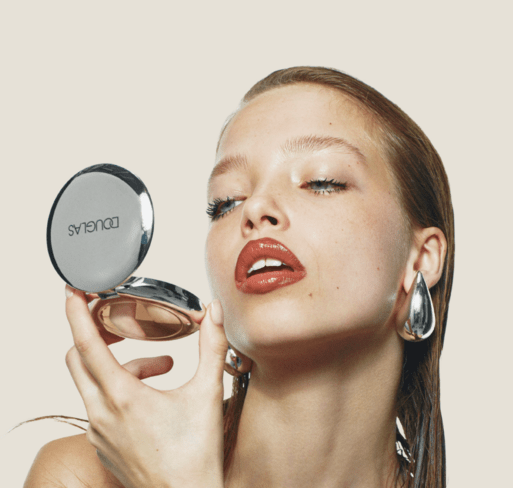
The rise of nostalgia has been ever-present last year with Pinterest’s 2025 report naming search trends with this as a key focus and ‘throwback’ seems to continue gaining momentum this year once with the 2016 to 2026 trending on social media and 90s aesthetics being pushed into the cultural spotlight as a shareable trend.
According to consumer-insights platform GWI, 15% of Gen Z say they’d rather think about the past than the future, compared with 14% of millennials. Roughly half of both generations report feeling nostalgic for certain kinds of media and both are the fastest-growing spenders.
Further across industries, consumers are seeking comfort, familiarity, and emotional connection especially after years of rapid social change, economic stress, and digital overload. Nostalgia marketing lets brands tap into positive memories and emotional resonance more directly than many traditional strategies.
Many companies are digging into their own archives reviving iconic products, packaging, and campaigns to rekindle nostalgia while staying relevant. This heritage-based storytelling signals authenticity and continuity.
Brands are reintroducing classic products or elements people loved in the past. For example, major food and drink brands have brought back vintage toys, packaging, and product lines to spark excitement and emotional connection.
When building a campaign with an err of nostalgia brands without it feeling lazy, outdated or uninspired they must;
The strongest nostalgic brands today aren’t copying a specific decade, they’re recreating emotional cues people associate with the past.
From a design lens, that means:
Think: “this feels familiar” rather than “this looks like 1998.
In 2026, nostalgia is less about accuracy and more about recognition.
One of the most effective branding moves right now is internal nostalgia.
This works because:
Design rule of thumb:
Honour the structure, modernise the execution.
In nostalgic branding, type carries memory more than imagery.
What’s showing up in 2026:
But and this is key brands usually pair:
This balance keeps the brand from sliding into costume.
Colour is one of the fastest nostalgia triggers, but in 2026 it’s used with restraint.
Common approaches:
Instead of neon Y2K overload, brands opt for:
It feels familiar, calm, and trustworthy a big deal in uncertain times.
The most successful brands don’t build everything around nostalgia.
Instead, they:
This avoids the trap of:
From a strategic design perspective, this is the golden rule in 2026:
Never recreate and reinterpret.
That means:
In 2026, nostalgia in branding is more than just a fad it’s a strategic response to cultural and emotional dynamics. Brands that successfully blend past sentiment with present relevance and future direction are using nostalgia not simply to look backward but to connect deeper, feel more human, and stand out in a crowded marketing landscape.